How to Remove Tree Sap From Car Paint Without Damaging the Clear Coat
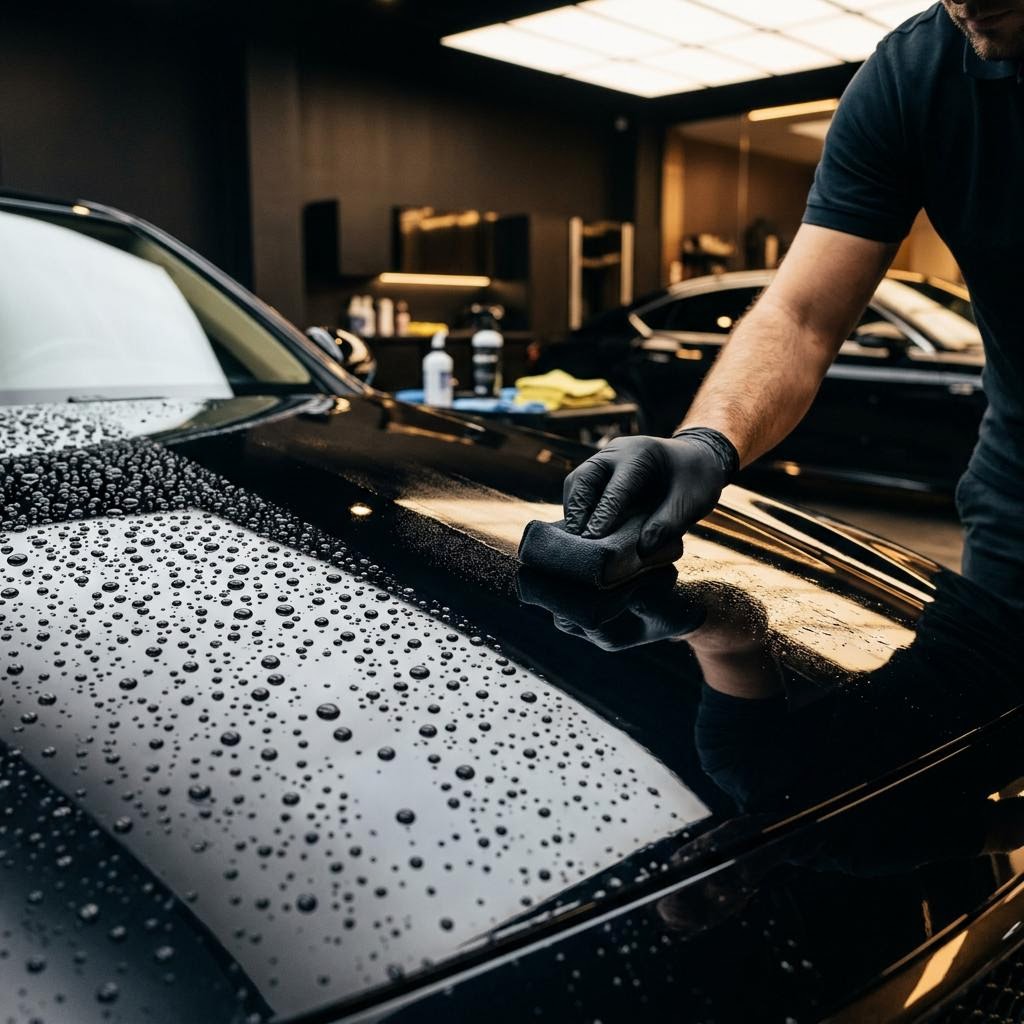
If you have ever parked under a gum tree or a jacaranda in Perth and come back to find sticky, gluey spots across your bonnet, you already know how frustrating sap can be. Proper tree sap removal car paint jobs are not just about scrubbing until it disappears — done wrong, you can grind sap into the surface and leave permanent swirls or dull marks in the clear coat. Done right, it lifts away cleanly and your finish looks untouched.
Sap is a particular problem in Perth because of our climate. Under our intense summer sun, sap warms, spreads and bakes onto the paint within hours. On a 40-degree day, what was a soft droplet in the morning can be a hardened, etched blob by lunchtime. That is why acting quickly and using the correct method matters so much.
Why Tree Sap Is So Dangerous to Paint
Sap is acidic and sticky. As it sits on your paint under UV and heat, it slowly etches into the clear coat — the thin protective layer that gives your car its gloss. Left for weeks, sap can create rings or dull patches that no amount of washing will fix and that only machine polishing can correct.
Perth trees like eucalypts, peppermints and figs are heavy sap producers, and many drivers seek their shade in car parks precisely when the sun is harshest, which is the worst-case scenario for your finish.
Safe Tree Sap Removal Car Paint Method
Here is a safe, step-by-step approach you can do at home. Always work in the shade on a cool panel, never in direct sun on hot paint.
Step 1: Wash the Car First
Never attack sap on a dirty car. Give the whole vehicle a proper wash to remove grit and dust. Rubbing at a sap spot surrounded by dust just drags abrasive particles across your paint and creates scratches.
Step 2: Soften the Sap
Soak the sap spots. Warm (not hot) water, a dedicated sap remover, or a small amount of isopropyl alcohol on a microfibre cloth all work. Lay the damp cloth over the spot and let it dwell for a minute or two so the sap softens rather than forcing it.
Step 3: Gently Lift, Don't Scrub
With a clean microfibre cloth, gently wipe the softened sap away using light pressure. It should transfer onto the cloth. Never use a scourer, tea towel or paper towel — these are abrasive and will scratch. Reapply your solvent and repeat for stubborn spots.
Step 4: Rinse and Re-Protect
Once the sap is gone, rinse the area and dry it with a clean microfibre towel. Removing sap and solvent often strips wax, so reapply protection. A quick coat from a wax and polish treatment restores that barrier and keeps the paint glossy.
What to Avoid
- Household solvents like acetone or petrol — they can strip and stain paint
- Dry rubbing — always soften and lubricate first
- Metal tools or fingernails — instant deep scratches
- Direct sun — the panel must be cool and shaded
Sap on Glass, Trim and Wheels
Sap doesn't only land on paint. On your windscreen and windows it's actually a little more forgiving, since glass is harder — a solvent-soaked cloth and gentle pressure usually clears it, and a fresh razor blade held flat can help with stubborn spots on glass only (never on paint). On plastic trim, soften and wipe as you would on paint, but test your solvent first, as some can dull matte finishes. Sap on wheels comes off with a dedicated cleaner during a normal wash.
The point is that sap tends to fall across the whole top surface of a parked car, so it's worth checking the bonnet, roof, boot, mirrors and glass rather than just the obvious drips.
When to Call in a Professional
Sometimes a tree sap removal car paint job reveals damage that goes deeper than the sap itself. If the sap has been sitting for weeks, you may find etching or dull rings left behind even after the sap is gone. That damage lives in the clear coat itself, and no cleaning will remove it. In those cases the fix is machine polishing — our paint correction service safely levels the affected area and restores clarity.
If your whole car is peppered with sap, bird droppings and road grime, a full exterior treatment is far more efficient than spot-fixing. Our mobile detailing team across Perth comes to your home with everything needed to decontaminate, correct and protect the paint in one visit. And to stop sap sticking so badly in future, a durable ceramic coating for long-term protection makes contaminants far easier to rinse off before they can etch.
Frequently Asked Questions
Does WD-40 remove tree sap safely?
WD-40 can loosen sap, but it leaves an oily residue and is not designed for paint. A dedicated sap remover or isopropyl alcohol is safer and cleaner. Whatever you use, wash and re-protect the area afterwards.
Will tree sap permanently damage my car paint?
Fresh sap removed promptly leaves no damage. Sap left baking on the paint for weeks can etch the clear coat, leaving rings or dull marks that need professional polishing to remove. The lesson: deal with it early.
Can I use a clay bar on tree sap?
A clay bar helps with light, flat sap residue once the bulk is removed, but it is not ideal for thick fresh droplets. Soften and lift the main sap first, then clay to pick up any leftover film, always with plenty of lubrication.
How do I stop sap building up in the first place?
Avoid parking under sap-heavy trees, especially in summer. A protective coating won't stop sap landing, but it stops it bonding as aggressively, so a quick wash removes it before it etches.
Book a Mobile Paint Treatment
If sap has left your paint marked, dull or sticky beyond a home fix, let the professionals handle it. Black Label Detailing is rated 4.8 stars from 61 Google reviews and brings safe, proper sap removal and paint protection straight to your driveway. Book a mobile detail online and we will bring your finish back to life.