PPF for High-Impact Areas: Protecting Bonnets and Mirrors on WA Highways
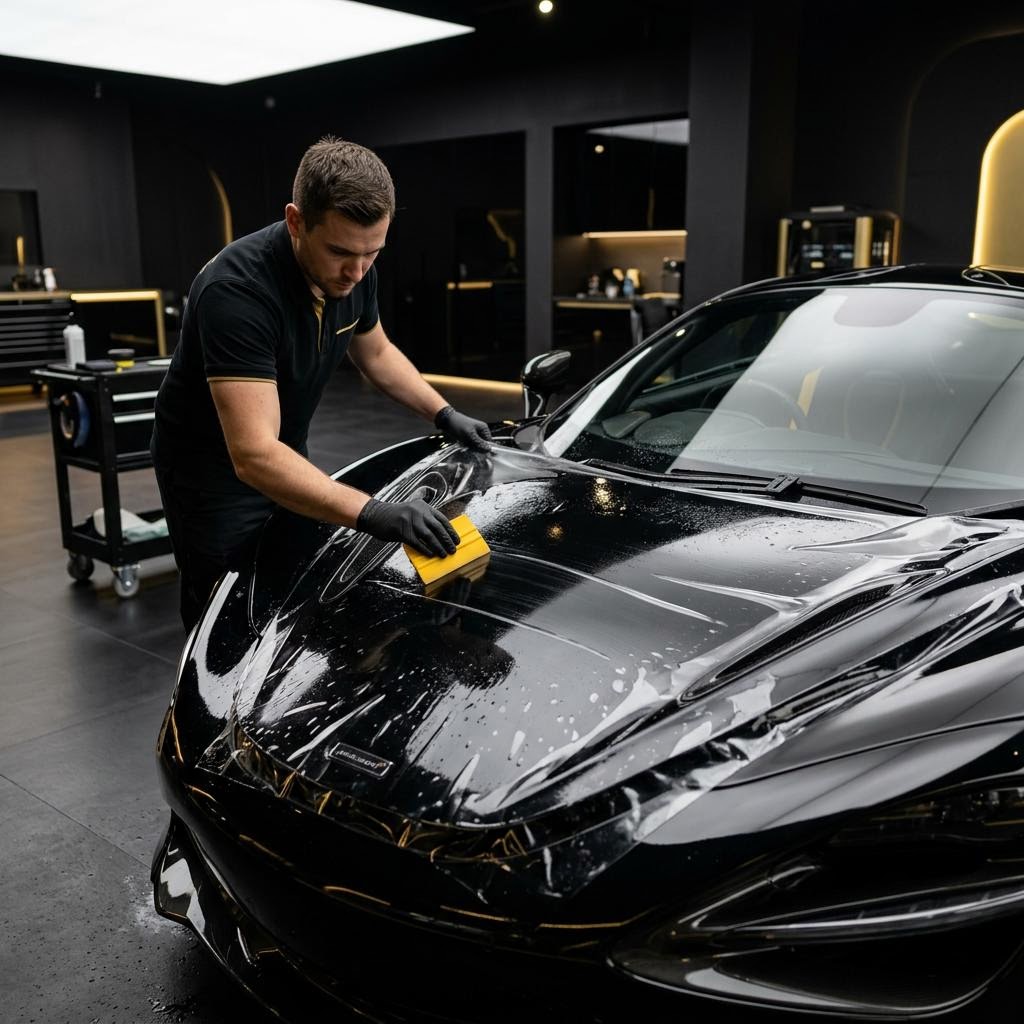
Anyone who's driven a WA highway knows the sound — that sharp crack of a stone flicking off the road and hitting your bonnet at 110km/h. Between road trains throwing gravel, unsealed shoulders and long stretches of open highway up north and down south, the front of your car takes a relentless beating. This is exactly where PPF bonnet protection stone chips defence earns its keep, stopping damage before it ever reaches your paint.
Paint protection film (PPF) is a clear, self-healing urethane layer applied over your paint. On high-impact panels it's the difference between a stone chip bouncing harmlessly off the film and one punching through your clear coat, letting in moisture and starting rust.
PPF Bonnet Protection Stone Chips: Why the Front End Cops It
Stone chips aren't random. Aerodynamics and geometry mean debris consistently strikes the same areas first:
- Bonnet leading edge — the front lip takes direct hits from anything the car ahead kicks up.
- Full bonnet — on long highway runs, gravel peppers the whole panel.
- Wing mirrors — they stick out into the airflow and catch flying stones from the side.
- Front bumper — low and forward, it's the first thing debris meets.
- A-pillars and headlights — the film also guards these forward-facing surfaces.
This is why PPF bonnet protection stone chips coverage focuses on the front end first — on WA's long-distance drives, these areas accumulate chips fast. A single trip up the Great Northern Highway can leave a bonnet freckled with fresh chips.
How PPF Actually Protects
Quality PPF is several layers thick and engineered to absorb impact. When a stone hits, the film takes the blow instead of your clear coat. Many premium films are also self-healing — light swirls and scratches vanish with heat from the sun or warm water.
Crucially, it's optically clear. Applied well, you can't tell it's there; your paint just stays chip-free underneath. Learn how the film is fitted and where it works best on our self-healing film installation page.
Compared with a ceramic coating — which is brilliant for chemical protection, gloss and easy cleaning but is microscopically thin — PPF is the only thing that physically stops a stone chip. Many WA drivers run both: film on the high-impact front end, and a nine-year paint protection over the rest of the car for slickness and UV defence.
Full Bonnet vs Partial Coverage
You don't always need to wrap the whole car. For most WA highway drivers, targeted coverage of the highest-risk areas gives the best value:
- Partial front (bonnet leading edge, bumper, mirrors): the cost-effective choice for occasional road-trippers.
- Full bonnet and full front: best for frequent long-distance drivers, new cars, or vehicles you want to keep pristine for resale.
- Full-car PPF: maximum protection for high-end vehicles.
The right level depends on how much highway you drive and how precious the paint is to you.
Why It Matters Extra in WA
WA's conditions stack the odds against your paintwork:
- Unsealed and gravel roads are common the moment you leave the metro, and they fling stones constantly.
- Road trains kick up serious debris — following one without protection is asking for chips.
- Long distances mean hours of exposure per trip, not minutes.
- Intense UV means an unprotected chip that lets moisture and sun in degrades quickly.
A single deep chip through the clear coat can start corrosion, and repairing paint on a bonnet costs far more than protecting it upfront. If chips have already dulled your bonnet, a machine multi-stage machine polishing can restore the finish before film goes on to protect it going forward.
Caring for PPF
Good PPF bonnet protection stone chips defence is low-maintenance but not maintenance-free. Wash it like the rest of the car with a gentle, pH-neutral shampoo, avoid harsh solvents on the edges, and keep insects and tar from baking on — they come off easily from film, much like a coated surface. Pairing film with a coating on top makes cleaning even easier.
Get It Fitted at Your Place
Fitting PPF well takes a clean, controlled environment and a steady hand. Black Label Detailing is a mobile car detailing service and comes to you across the Perth metro — Girrawheen, Joondalup, Ellenbrook, Rockingham — to prep and assess your vehicle, so you're not chasing the job across town. We'll advise honestly on how much coverage your driving actually warrants.
Frequently Asked Questions
Does PPF really stop stone chips?
Yes. Quality paint protection film is engineered to absorb impact, so stones that would chip your clear coat are stopped by the film instead. It's the only protection that physically shields against stone chips — a coating won't do that.
Is PPF or ceramic coating better for highway driving?
They do different jobs. PPF physically stops chips on high-impact panels like the bonnet and mirrors; ceramic coating adds gloss, UV protection and easy cleaning across the whole car. Many WA drivers use both together.
Will paint protection film yellow over time?
Cheap films can yellow, but quality modern PPF is UV-stable and stays clear for years, with warranties to match. Under WA's harsh sun, using a reputable film matters — bargain film is a false economy.
Can PPF be applied over existing chips?
The paint should be corrected first if there are chips or defects, because film is clear and locks in whatever's underneath. Starting with a clean, corrected surface gives the best long-term result.
Armour Your Front End
If you drive WA's highways, protecting your bonnet and mirrors is one of the smartest things you can do for your car's paint and resale value. Book Black Label Detailing and we'll come to you anywhere in Perth to assess and fit paint protection film. We're rated 4.8 stars from 61 Google reviews. Book online and stop stone chips before they start.