Is Engine Bay Cleaning Safe? What to Know Before You Touch It
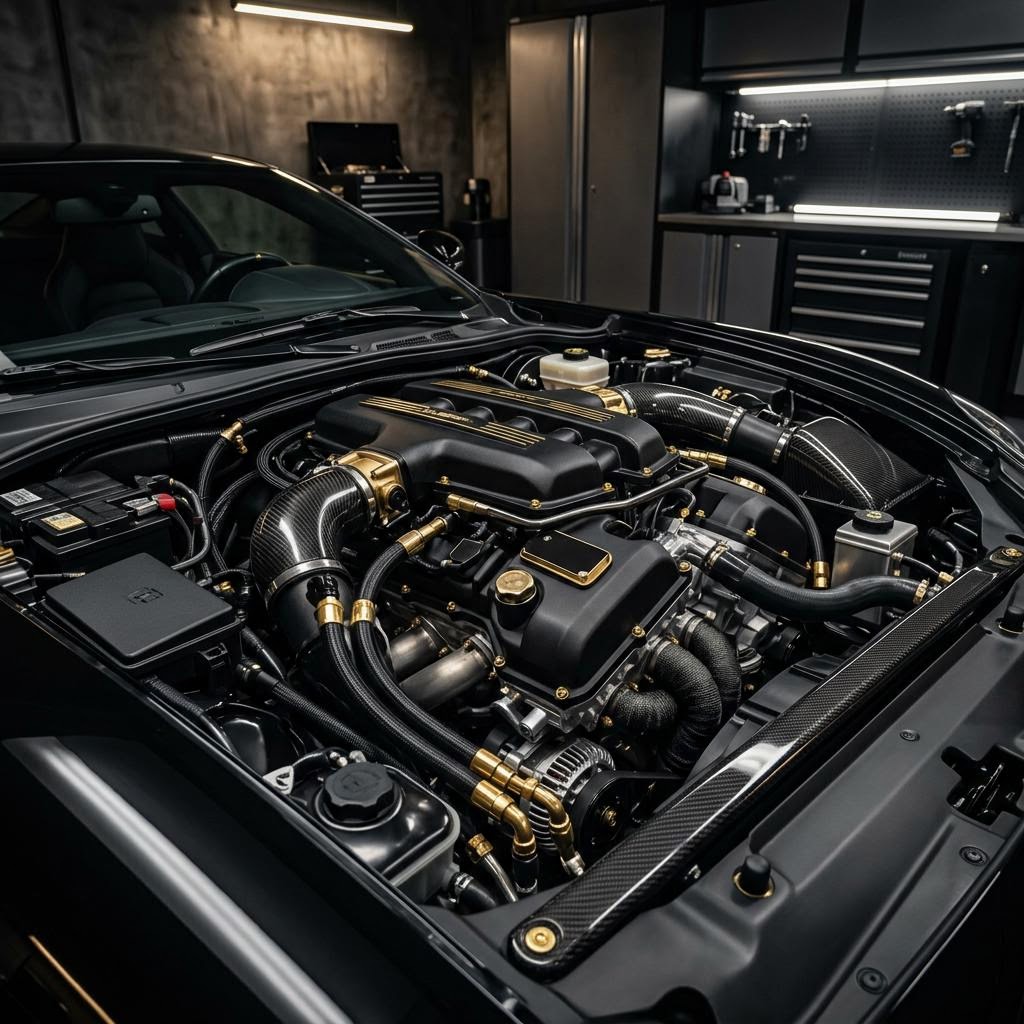
Pop the bonnet on a car that's done a few Perth summers and you'll usually find a layer of dust, grime and baked-on road film coating everything. It looks neglected, and plenty of owners want to clean it up — but then hesitate, worried that water and electronics don't mix. So is engine bay cleaning safe? The short answer is yes, when it's done with the right technique. The longer answer is worth understanding before you point a pressure washer at your motor.
So is engine bay cleaning safe? Done properly, yes — and a clean engine bay isn't just about looks. It makes leaks and worn components easier to spot, helps the engine run a touch cooler, and adds real appeal at resale time. Done carelessly, it can cause genuine problems.
Is Engine Bay Cleaning Safe? The Honest Answer
Modern engine bays are more water-resistant than people assume — they're exposed to rain and puddles every day. The risk isn't water itself; it's high-pressure water forced directly into sensitive components. Knowing whether engine bay cleaning is safe really comes down to method:
- Safe: a gentle rinse, degreaser, agitation with brushes, and a controlled low-pressure rinse with sensitive parts protected.
- Risky: blasting a pressure washer at close range into the alternator, fuse boxes, air intake and electrical connectors.
The damage stories almost always come from someone using too much pressure in the wrong places, not from the concept of cleaning itself.
What Can Go Wrong If Done Carelessly
- Water in electrical connectors can cause misfires, warning lights and intermittent faults that are a nightmare to diagnose.
- Water in the alternator can damage the bearings or windings.
- Displaced grease from bearings and pivot points if degreaser is left on too long.
- Water in the air intake can, in a worst case, reach the engine.
- Damaged labels and connectors from harsh chemicals or over-scrubbing.
None of these are inevitable — they're the result of skipping the preparation step of covering sensitive parts.
How an Engine Bay Is Cleaned Safely
1. Cool engine, protected components
The engine must be cool — never clean a hot engine. Sensitive electrical parts (fuse box, alternator, exposed connectors, air intake) are covered with plastic to keep water out.
2. Gentle rinse and degreaser
A light rinse loosens surface dust, then a diluted degreaser is applied to cut through grease and baked-on grime. In Perth, that grime is often mixed with fine red dust and road film that builds up fast.
3. Agitation with brushes
Detailing brushes work the degreaser into the nooks and around components — this is where the real cleaning happens, not from pressure.
4. Low-pressure rinse
A controlled, low-pressure rinse flushes the grime away without driving water into anything sensitive. This is the critical difference between safe and risky.
5. Dry and dress
The bay is dried — compressed air helps reach tight spots — and plastics and rubber hoses get a dressing to restore that clean, finished look and protect against Perth's UV, which cracks under-bonnet plastics over time.
An engine bay clean is often included when you book a thorough all-over detailing package, since the bonnet's already up and the car's getting the full treatment.
Why It's Worth Doing in Perth
Perth's environment is tough under the bonnet. Fine red dust works its way into everything, coastal salt encourages corrosion, and summer heat bakes grime into a hard film. A clean bay makes it far easier to spot an oil or coolant leak early, keeps connectors free of grime, and simply presents better — a big plus if you're selling, alongside a tidy exterior from a proper exterior detail.
Should You DIY or Leave It to a Pro?
If you're confident about which components to protect and you keep the pressure low, a basic engine bay tidy-up is achievable at home. But the margin for error is real — one connector full of water and you're chasing an electrical gremlin. For late-model cars packed with sensors and electronics, having it done professionally removes the risk entirely.
Frequently Asked Questions
Can I use a pressure washer on my engine bay?
Only with great care and low pressure, and never aimed directly at electrical components, the alternator or the air intake. High-pressure water forced into connectors is the main cause of engine-bay damage. A controlled, gentle rinse is far safer.
Will cleaning the engine bay cause electrical problems?
Not if sensitive components are covered first and low pressure is used. Problems arise when water gets forced into fuse boxes and connectors. Proper preparation is exactly what prevents this.
Does the engine need to be cool before cleaning?
Yes, always. Cleaning a hot engine risks cracking components with cold water and makes degreasers evaporate too fast. Let the engine cool completely before starting.
How often should I clean my engine bay?
Once or twice a year is plenty for most cars, or before selling — and engine bay cleaning is safe to do that often when the right method is used. In dusty Perth conditions or if you drive a lot of unsealed roads, a little more often keeps grime from baking on.
Get It Cleaned Without the Risk
If you'd rather not gamble with your car's electronics, let a professional handle it. Black Label Detailing cleans engine bays safely as part of our mobile car detailing service, coming to your home or workplace anywhere across Perth. Rated 4.8 stars from 61 Google reviews, we know exactly what to protect and how much pressure is safe. lock in a booking time and have it done right.