Detailing Your 4WD After a Beach Trip: Salt, Sand and Rust Prevention
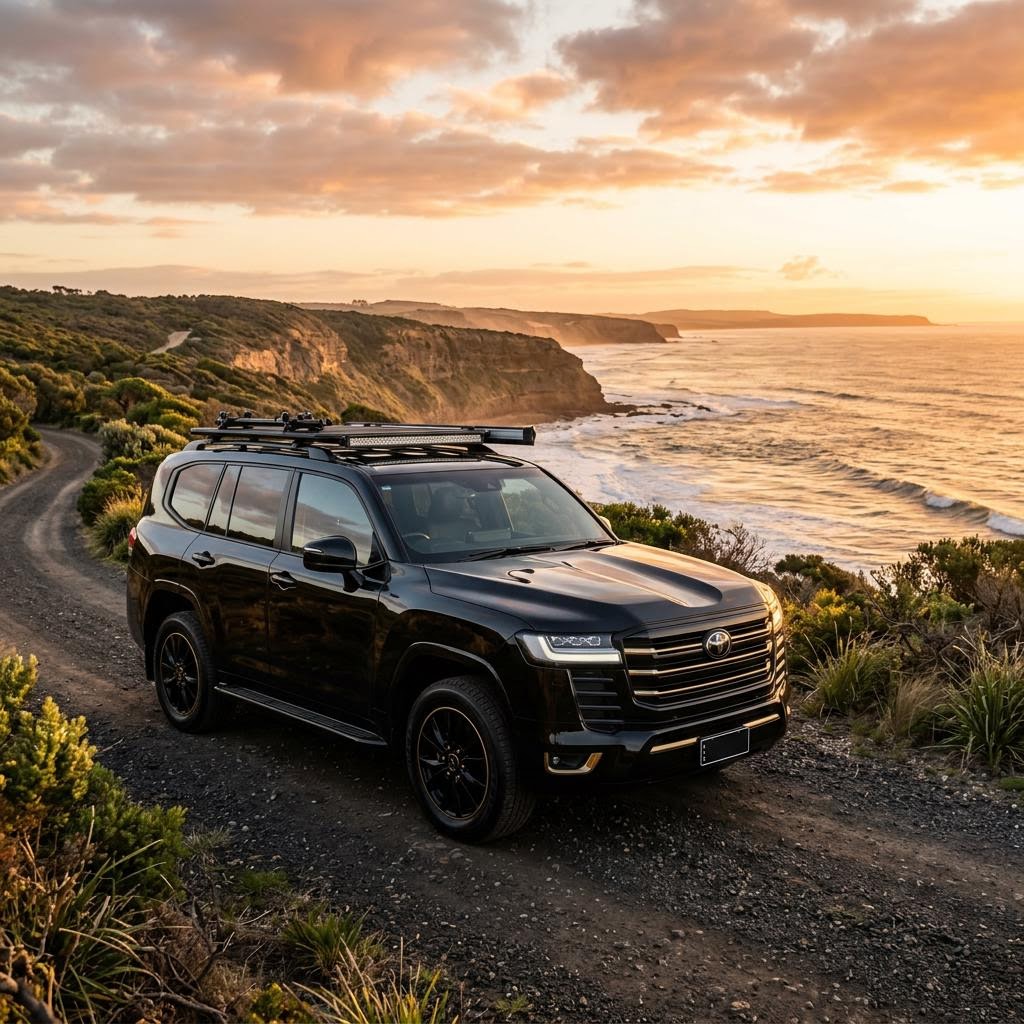
A day hammering the sand at Lancelin, running the beach tracks near Preston or airing down along the coast is one of the great WA weekends. The catch is that saltwater and sand are brutal on a four-wheel drive, and the damage happens quietly in the places you cannot see. Proper 4WD detailing after beach Perth adventures is not vanity — it is genuine rust prevention that protects a very expensive vehicle. Here is how to do it right.
4WD Detailing After Beach Perth Trips: Start Underneath
Saltwater and sand do their worst out of sight, which is why 4WD detailing after beach outings matters so much for anyone driving WA's coast. Do it properly and you protect the vehicle for years; skip it and rust takes hold quietly.
Salt Is Your 4WD's Worst Enemy
Saltwater is corrosive, and it clings. Once a salt film dries onto bare metal, brake components, the underbody and inside chassis rails, it draws moisture from the air and keeps the corrosion process ticking along long after the beach day is over. In Perth's coastal air, that process never really stops.
The trouble spots are almost always underneath: the chassis, diff housings, brake lines, suspension mounts and the inside of the sills where sand and salt collect and stay damp. This is exactly why serious 4WD detailing after beach Perth trips has to start under the vehicle, not with the shiny bits up top.
The Post-Beach Wash-Down, Step by Step
Ideally you rinse the same day, before the salt dries hard. A thorough process looks like this:
- Flush the underbody first. A long, generous rinse of the chassis, wheel arches, suspension and inside the sills to push out salt and sand. This is the most important step and the one most people skip.
- Rinse top-down. Knock off the loose sand from roof racks, bull bar, bonnet and glass before you touch the paint, so you are not grinding grit into the finish.
- Two-bucket wash. Wash the panels with plenty of clean water and a proper mitt. Sand is abrasive, so contact-wash carefully.
- Wheels and brakes. Salt loves brake hardware. Clean the wheels, and if you have been in deep water, drive gently afterwards to dry the brakes.
- Dry and inspect. Dry the paint to avoid water spots and check for fresh stone chips where rust can start.
Sand Gets Everywhere — Inside Too
It is not just the outside. Sand migrates into carpet, under seats, into seat rails and the boot, holding moisture and slowly wearing at everything. A good vacuum helps, but sand works deep into the weave. Our dedicated interior detailing uses extraction and detailed tools to pull embedded sand and salt out of the carpet and trim, which also stops that damp, briny smell taking hold in the cabin.
Protecting the Paint From Coastal Punishment
Beach-driven 4WDs live a hard life — salt spray, sun, sand blasting and stone chips from the tracks. Bare or chipped paint is where rust gets its foothold, so protection matters.
A quality ceramic paint coating makes the surface far easier to rinse salt from and adds a sacrificial barrier against the elements, which is ideal for a vehicle that sees regular coastal use. For the front end, bull bar area and lower panels that cop the worst of the stone strikes, a layer of paint protection film physically shields the paint from chips before they can expose metal.
If your rig has already picked up dullness and light scratching from sandy washes and tracks, a session of multi-stage machine polishing will bring back the gloss before you seal it in.
Don't Forget the Front End
Constant sun and salt haze also fog up headlights fast on older 4WDs. Cloudy, yellowed lenses are a safety issue on dark coastal roads, and our headlight restoration clears them up so you can actually see the roos.
Why Mobile Makes This Easy
Rinsing a filthy, sandy 4WD in your own driveway usually just moves the problem around and struggles to reach the underbody. Our mobile car detailing team comes to your home anywhere across the Perth metro with the equipment to flush salt properly and detail the whole vehicle on the spot — no dragging sand through a car wash bay or hosing it half-heartedly at home.
Frequently Asked Questions
How soon after a beach trip should I wash my 4WD?
As soon as possible — ideally the same day, before the salt dries and hardens onto the metal. The longer salt sits, the more corrosion it drives. A prompt, thorough underbody flush is the single best rust-prevention step you can take.
Is a normal car wash enough after driving on sand?
Not really. Most drive-through washes barely touch the underbody, chassis rails and inside the sills where salt and sand actually collect. A proper post-beach detail flushes those hidden areas, which is where rust starts.
Does ceramic coating stop salt damage?
It does not make a vehicle indestructible, but a ceramic coating makes salt far easier to rinse away and adds a protective barrier over the paint, meaning less salt clings and corrosion has fewer places to begin. It is a smart choice for regular beach drivers.
Can you detail my 4WD at home in Perth?
Yes. We are fully mobile and cover the Perth metropolitan area, so we bring everything needed to wash, decontaminate and protect your four-wheel drive right in your driveway.
Keep your rig ready for the next adventure and free of hidden rust. Black Label Detailing brings professional 4WD care to your door across Perth. Backed by a 4.8-star rating from 61 Google reviews, we will flush the salt and protect your investment — book your post-beach detail online today.