Clay Bar Treatment Explained: Why Your Paint Feels Rough After Washing
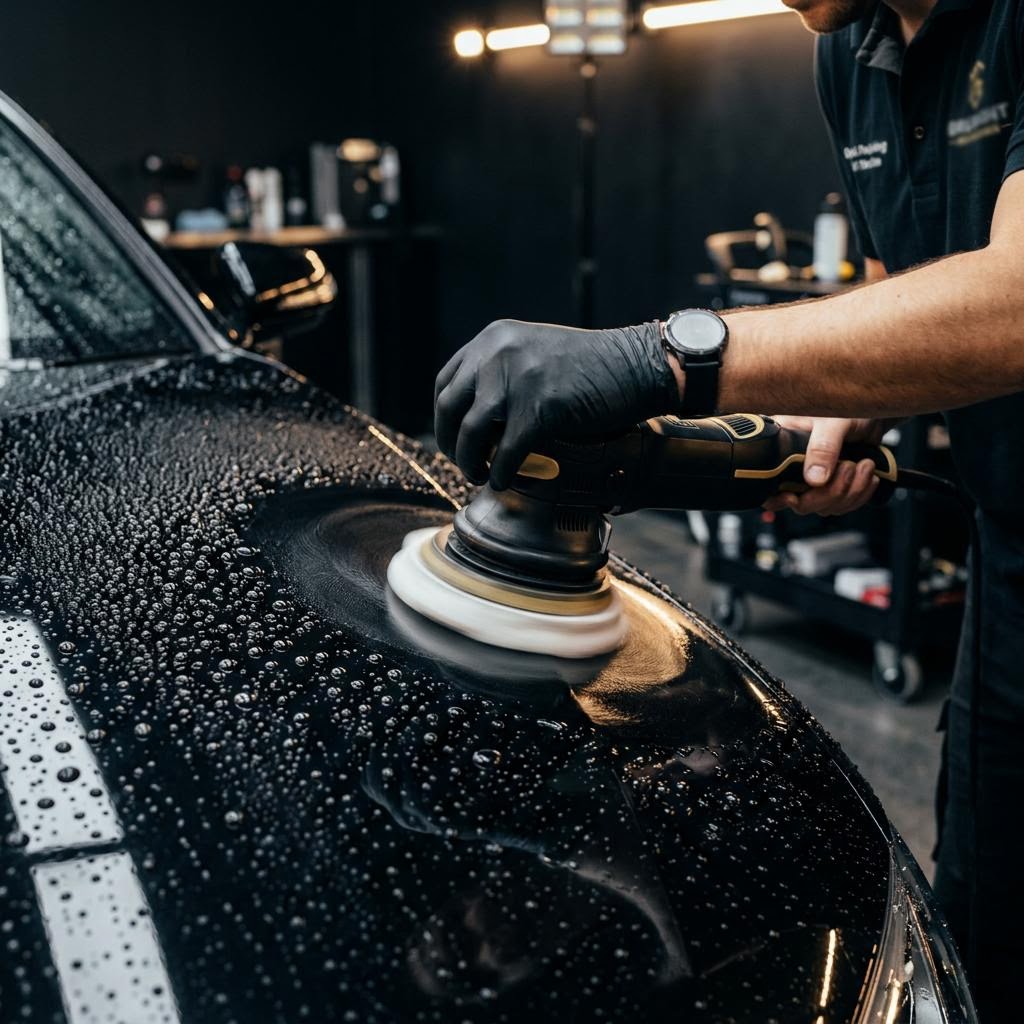
Run your hand over your car's bonnet right after a wash. If it feels gritty or rough — like fine sandpaper rather than glass — your paint is contaminated, and no amount of washing will fix it. This is one of the most misunderstood aspects of car care, so let's have clay bar treatment explained properly: what those embedded contaminants are, why washing cannot remove them, and how claying restores that slick, glass-smooth finish.
It is a step most home washers never take, yet it makes a dramatic difference to how paint looks and feels — and it is essential preparation before any polish or coating.
Why Your Paint Feels Rough
Washing removes loose dirt sitting on top of your paint. But over time, tiny particles actually bond to the clear coat and become part of the surface. Washing cannot lift them because they are physically stuck. In Perth, the usual culprits are:
- Industrial fallout and airborne metal particles from traffic and industry
- Rail dust and brake dust that embeds and can even rust in place
- Tree sap and honeydew from parking under Perth's leafy street trees
- Overspray from nearby painting or roadworks
- Mineral deposits from bore-water sprinklers hitting the car
These bonded contaminants create that rough texture and, left in place, they dull your paint and can cause corrosion. This is where getting the clay bar treatment explained becomes so useful — it is the only practical way to remove them.
Clay Bar Treatment Explained: What the Clay Actually Does
A detailing clay bar is a soft, malleable resin. When it is glided across lubricated paint, it grabs and pulls the bonded contaminants up out of the clear coat, leaving them stuck in the clay rather than in your paint.
The process works like this:
- The paint is washed and kept wet with a clay lubricant so the clay never touches dry paint.
- The clay is gently gliding back and forth across a small section.
- You feel it drag at first as it catches contaminants, then glide smoothly once the section is clean.
- The area is wiped down, and the paint is now genuinely smooth.
Done correctly with plenty of lubrication, claying is safe and does not damage the clear coat. Done carelessly on dry paint, it can cause marring — which is one reason many owners leave it to a professional.
Why Claying Comes Before Everything Else
Here is the key point most people miss: clay bar treatment is a preparation step, not a finishing one. You clay so that whatever comes next works properly.
- Before a polish, claying ensures you are refining clean paint, not grinding contaminants into it. Our cut and polish service always starts with decontamination.
- Before paint correction, a clean surface lets the machine polisher do its job without dragging grit. This is why our swirl and scratch removal service includes claying as standard.
- Before a ceramic coating, the surface must be perfectly clean so the coating bonds directly to the clear coat. Applying a professional-grade ceramic protection over contaminated paint would seal the grit in — a costly mistake.
In short, skipping the clay step undermines everything that follows.
How Often Should You Clay?
For most Perth cars, once or twice a year is plenty. Vehicles parked outdoors, near industry, or under sap-heavy trees may need it more often. The simple test is the one at the top of this article: wash the car, then feel the paint. If it is rough, it is time to clay.
A protective coating dramatically reduces how quickly contaminants bond, which is another reason paint protection pays off — it keeps your paint smoother for longer between decontamination sessions.
Should You DIY or Go Professional?
Clay kits are available for home use, and a careful owner can get good results. The risks are working on dry paint, using too little lubricant, or dropping the clay and reusing it (a dropped clay picks up grit that then scratches the paint).
Because claying is almost always the first step toward polishing or coating, most people find it makes sense to have it done professionally as part of a larger service. Our our most comprehensive service includes a proper decontamination stage, and because we are mobile, we bring the whole process to your driveway anywhere across the Perth metro. Learn more about our mobile detailing service.
Frequently Asked Questions
Will a clay bar damage my paint?
Used correctly — on washed paint with plenty of lubricant — claying is safe and will not harm the clear coat. Damage only occurs from working on dry paint or using clay that has been dropped and contaminated with grit.
How can I tell if my car needs claying?
Wash the car, then run your hand over the dry paint, ideally with a plastic bag over it to heighten sensitivity. If it feels rough or bumpy rather than glass-smooth, bonded contaminants are present and claying will help.
Does claying remove scratches or swirls?
No. Claying only removes bonded surface contaminants. Scratches and swirls sit within the clear coat and require machine polishing or paint correction to remove.
Is claying necessary before a ceramic coating?
Yes, it is essential. A coating must bond to perfectly clean paint. Coating over contaminated paint seals the contaminants in and compromises the finish and durability.
Get That Glass-Smooth Finish
If your paint feels rough no matter how often you wash it, a professional decontamination is the answer. Black Label Detailing brings the full process to your door anywhere in Perth, and we are proud of our 4.8-star rating from 61 Google reviews. arrange a visit from our team or call 0468 728 286, and feel the difference smooth paint makes.